Author Archives: siobhanwarrington

21 stories 21 days: 5th July

I have big dreams for things I want to do in the future. I plan like people who do not have HIV because I know this is not the end of life…

I am living in such a way that I do not think of myself as an HIV positive person [laughing]. I regard myself as a normal person like any other person and I have big dreams for things I want to do in the future. I plan like people who do not have HIV because I know this is not the end of life.  Life continues as long as I take my treatment well, having safer sex. Continue reading

21 stories 21 days: 4th July

The people who stigmatised me the most were my husband’s family…

“When I come to [talk about] stigma and discrimination, I feel deeply sad because I was terribly stigmatised with my child. The people who stigmatised me the most were my husband’s family because of their conviction that he had contracted HIV from me. Continue reading

21 stories 21 days: 3rd July

I could see people’s shadows on the wall, their fingers pointing to me

Yes my neighbours discriminated me… Sometimes when talking to them or helping them I could feel that I am not welcome. There was a moment that I had to go out for sun rays and I could see people’s [shadows] on the wall, their fingers pointing to me. I could feel that they are not saying good things; they are talking about my health condition. Continue reading

21 stories 21 days: 2nd July

They treated me the way they did because they were ignorant… They did not know the truth about HIV, unlike nowadays

The discrimination was caused by lack of information about HIV issues… they believed that you get HIV by having several sexual partners and such a person was a prostitute… they treated me [the way they did] because they were ignorant… Continue reading

21 stories 21 days: 1st July

Do you know what I believe? My mother died not of AIDS but as a result of stigma and discrimination

Another issue which still disturbs me was the stigma against my lovely mother, her suffering and her death. It was a sad time for us all when her right to use the piped water – which all the neighbours use in common – was declined. Continue reading

21 stories 21 days

0-DSC_0738

“We all have a story. To be able to sit here and tell my story is so good for me. It feels good.”

Every day from the 1st of July until the 21st of July we will be sharing extracts from 21 oral testimonies of 21 men and women living with HIV in Swaziland, Ethiopia and Mozambique.

We’ll share these extracts here on this blog – with daily links on twitter and facebook. On the 25th of July, our partner the International Planned Parenthood Federation (IPPF) launched a publication of these testimonies at the International AIDS conference 2014. Siobhan Warrington’s blog on IPPF’s website introduces “Stigma is still my most serious challenge”: People living with HIV share their experiences

Index of the days published so far:

The testimonies were recorded as part of the Give Stigma the Index Finger project (2011-2014) and complement the Stigma Index reports carried out in each country. The project also supported journalists in each country to improve and increase coverage on HIV stigma.

Sharing the testimonies demonstrates the lived reality of HIV stigma in all its diversity and complexity and the on-going need to address HIV stigma as part of the response to HIV. Some of those interviewed feel positive about their lives and are open about their status, whilst there are others who describe their miserable futures, or don’t feel ready to disclose to those closest to them. Some people find support within their families, others refer to their family stigmatising them more than anyone else and feel additional betrayal as a result. As well as detailed descriptions of stigma experienced, some narrators provide insights into the emotional impacts of stigma; one narrator states “the ugly words from their mouths made me feel worthless.”

In total, 140 people living with HIV in Swaziland, Ethiopia and Mozambique were able to share their experiences, memories and views freely in an open-ended interview, recorded in their own language by a counsellor or activist, with the assurance of maintaining anonymity.

“We all have a story. To be able to sit here and tell my story is so good for me. It feels good.”

This is how narrator Etetu Manyazewal*, a 24 year-old woman from Ethiopia ended her oral testimony interview. Similar positive statements emerged from a conversation with two of the interviewers from Mozambique who described oral testimony as an opportunity for “people to open up and tell you what was in the bottom of their heart”, adding, “people need this type of dialogue so they feel that they are not abandoned.”

OTW and IPPF are supporting partners to communicate these testimonies to national audiences through radio and community dialogues.

*all names shared in 21 stories 21 days are pseudonyms

Follow Oral Testimony Works on facebook and twitter

Everyone has a different view, everyone has a different story

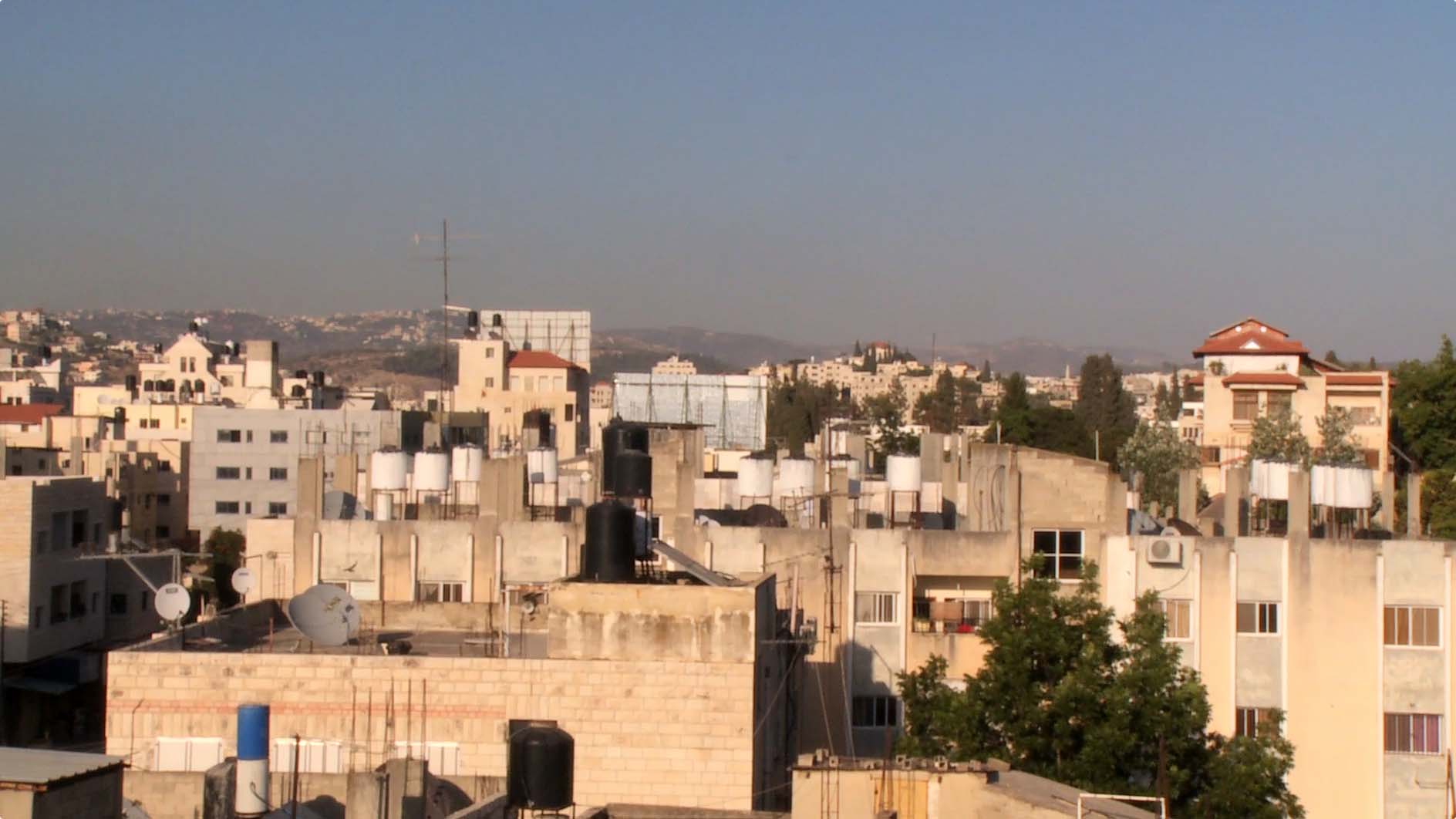
Would you like to take part in a small global film project with Turner prize-winning artist Gillian Wearing and Oral Testimony Works?

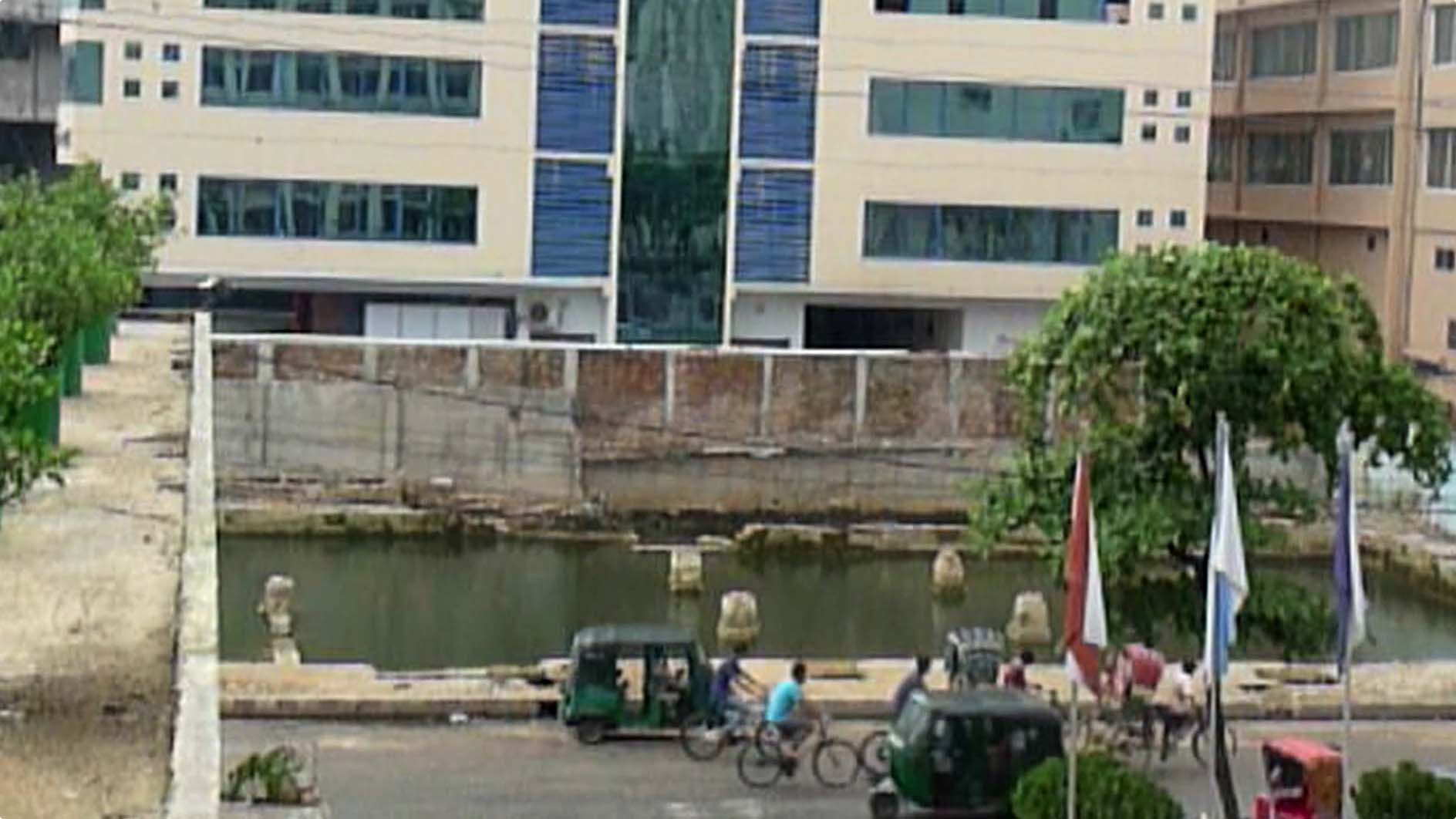
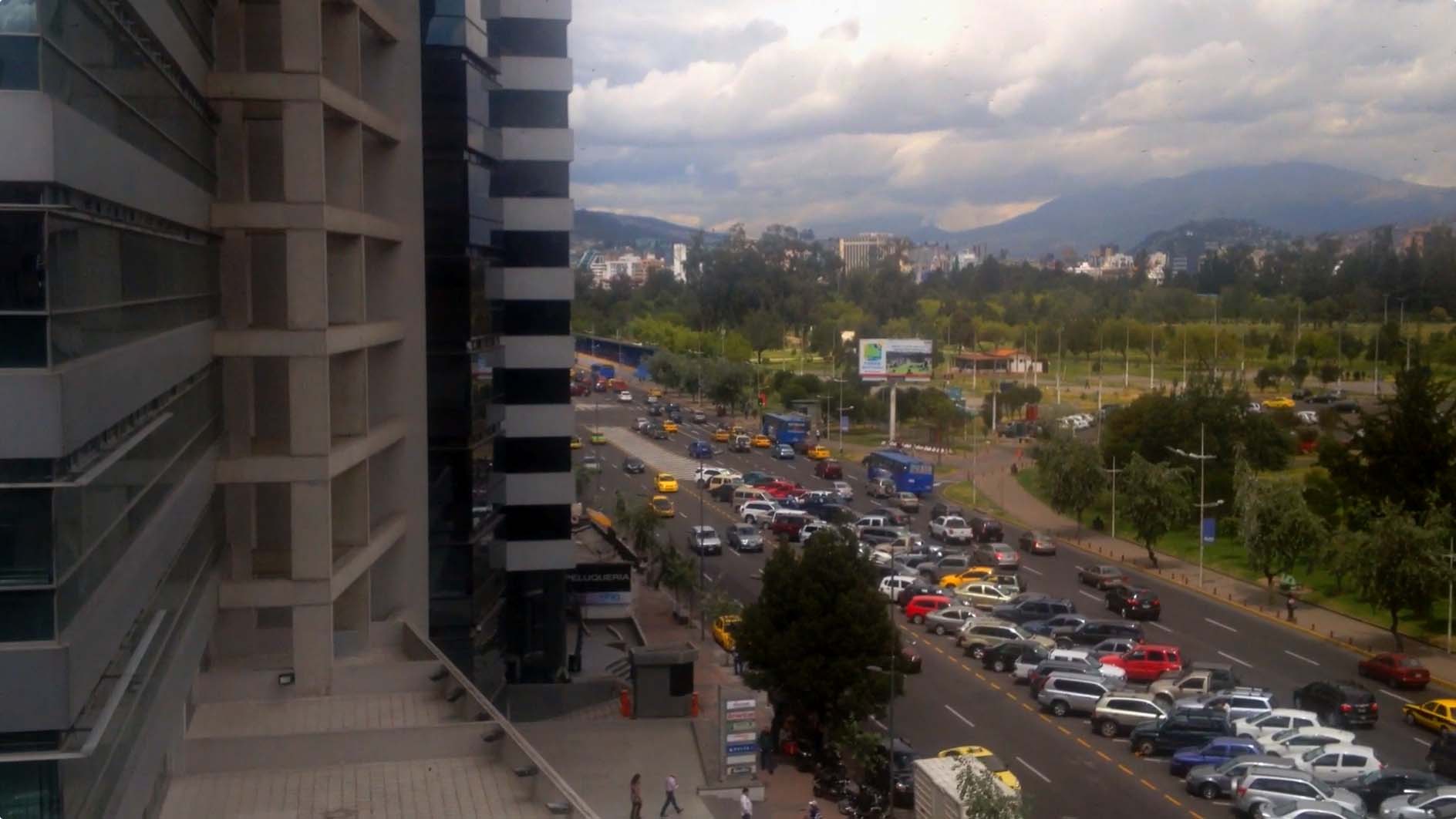
We are looking for 20 people around the world, who have access to a video camera or can shoot video on their phone, and have a view from a window they want to share.

The brief is very simple and will be emailed to everyone who signs up.

The time commitment is minimal: it will take you 10 minutes to set up the 30-second shoot, and up to 20 minutes to transfer your video file online to our editor.

As a contributor you will receive a credit at the end of the film and DVD copy of the finished product.  The resulting short film will be available to view online, and will contribute to the larger Your Views film project.  All contributors will be entered into a special draw to win $100.

Everyone who takes part will also be helping Oral Testimony Works spread the word about the importance of representing and responding to the diversity of human experience.

To take part please email info@oraltestimony.org before 30th June to receive instructions.

view one s view 3 s view 2 s

Serious, Responsible, Important and Accessible

These are the words used by Professor Henry Bernstein, one of the judges, to explain why Displaced: the human cost of development and resettlement was the “very worthy winner” of the Edgar Graham Book Prize 2013. The prize is awarded by the Department of Development Studies at SOAS, University of London for a work of original scholarship on development in Africa and Asia.

Chair of the judging panel, Professor Naila Kabeer, welcomed everyone to the award ceremony on Thursday 7th November at SOAS, and outlined the judging process.  Henry Bernstein then went on to explain why the judges chose this book.

“This is an intellectually serious book in its subject matter, its methodology of oral testimony, and the integrity of how it presents its findings. It is also much more accessible than many academic works: it will be read by, speak to, and inform a wide audience. The methodology, pioneered by Olivia Bennett at Panos, is of considerable interest and the book represents the fruit of significant effort and commitment over many years. It reminds us that ‘development’, as any major social change, involves human drama which we need to know about and consider in the words of those who experience it. This is a nuanced work that is politically responsible as well as intellectually important. We would like to see more books of such quality being nominated for the prize in future.”

Olivia Bennett accepted the award on behalf of herself and Dr Christopher McDowell, who was unable to attend through illness.  She thanked the judges, representatives from SOAS and the audience and declared: “we’re extremely pleased, not least because it raises the profile of the book, and should gain it a wider readership, and so amplify the voices of the displaced within it… but also because it is an endorsement of the use of oral testimony.

In full below are the excellent acceptance speeches by Olivia and Chris. Olivia talked about the process of oral testimony as well as the key themes and insights emerging from the resulting interviews, notably “the centrality and complexity of non-material factors in displacement”. She went on to explain that the overwhelming sense from the interviews with the resettled was “the sense of powerlessness and loss of control over their lives that losing their land brought – and the great difficulty experienced in regaining a sense of agency and autonomy.” She concluded her speech by describing how the collection and communication of oral testimonies can “begin to close the gap between those devising policy and those living with its consequences.”

Dr Laura Hammond, director of Development Studies at SOAS, delivered Chris McDowell’s speech, which provided a powerful political overview of development-induced displacement and highlighted the difficulties of policy influence in this sector. In this context, Chris stated, “What we can do however, and this is what Olivia and I have sought to do in Displaced, is to keep telling the human story in as much of its complexity as we can. To reveal and examine the impacts of the profound changes that resettlement brings at the level of the individual, within families, between genders and across societies both immediately and through generations.”

He concluded, “If there is one direct policy recommendation in the book, then it is an ambitious one, that involuntary resettlement in the development process should give way to resettlement-with-consent as the basis for development decision-making.”

Olivia Bennett EG Prize Acceptance Speech

Chris McDowell EG Prize Acceptance Speech

Copies of Displaced (including e-books) are available from Palgrave.com and other sites. All royalties to Oral Testimony Works to support further oral testimony projects with marginalised groups around the world.

Oraltestimony.org – First-hand accounts of development past and present

In a world of constant updates of new information, do we have the space and time for first-hand accounts from previous decades?  Are oral testimonies from 1997 relevant today? Is this an archive worth investing in?  Is it worth improving access to these oral testimonies and related materials?  Who will benefit and how? Do first-hand accounts count as knowledge when it comes to international development?  

These are some of the questions and terms circulating around my head at the moment.  I’m right in the midst of thinking, talking, and occasionally dreaming about the development of a global online living archive of Panos’ 20 years of oral testimony: 1300 oral testimonies, from 42 different countries, recorded between 1993 and 2013.  Experiences and perspectives from women and men who have lived with poverty, displacement, HIV/AIDS, environmental change and conflict. The use of “living” to describe this initiative reflects the additional aim for the archive to be a platform for new activities – both new oral testimony collections as well as new ways to reach new audiences, for example commissioning artists to interpret some of the existing testimonies. The use of “global” reflects the objective of connecting with libraries, museums and universities in the countries where the testimony collections originate, to encourage national audiences to engage with this material.

2013-10-22 12.18.26

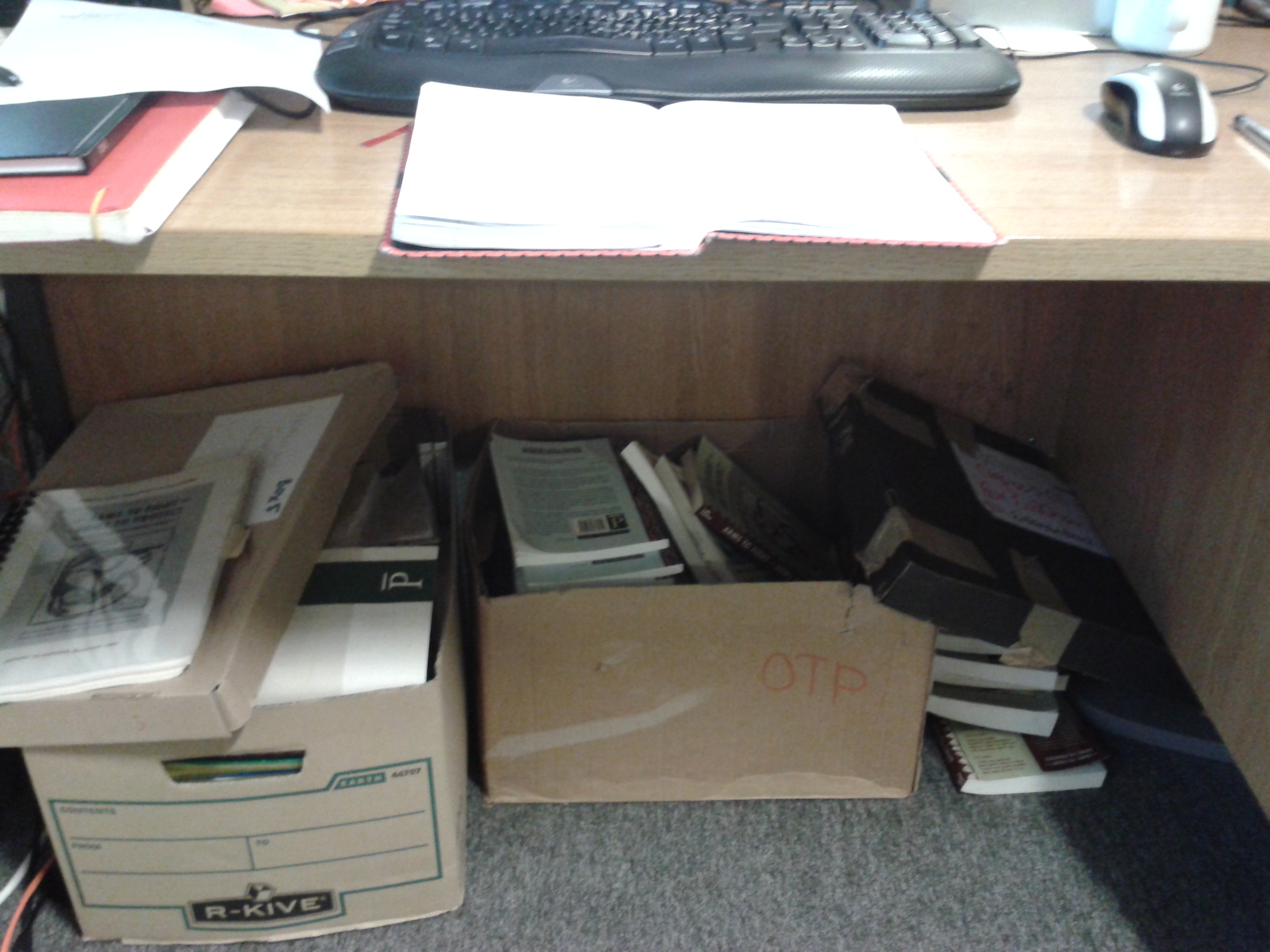
Some of the archive lives in books, some online, some in my friend’s garage and some under my desk

In addition to the questions there are the doubts. It can feel too big an undertaking; being between sectors (oral history and international development) doesn’t always feel great; I struggle to prioritise my user (students yes, but also hopefully others); and will we be able to maintain a living archive for the foreseeable future? But there’s no turning back now. Oral Testimony Works has the mandate to build on the legacy of Panos London, and I’m currently a “Digital Pioneer” (really?) on Our Digital Community’s Learning Programme. So I am just having to get used to working with those doubts.

The Digital Learning Programme is for social enterprises in the UK who are developing digital services. Being on the programme is a great opportunity: it provides a structure, mentoring and a peer network to what otherwise risks being an undisciplined process of ideas development.   We’ve completed a couple of modules and been asked plenty of uncomfortable questions – such as present your idea in 150 words (see below), what would your Minimum Viable Product look like, will you use Drupel or WordPress, is your development ‘agile’ and who is going to pay for this stuff? But it’s all good: learning comes from being challenged and this is certainly challenging.

Here’s my current 150ish words on it – using the working title oraltestimony.org:

Oraltestimony.org will be a global living online archive of first hand experiences of development issues, past and present.

Oral testimonies are in-depth interviews drawing on personal memory and experience.  For twenty years Panos worked directly with communities to record oral testimonies with men and women living with poverty, conflict, HIV, displacement and environmental change.

Panos’ legacy is 1300 oral testimonies from men and women in 42 countries. These personal accounts provide an essential perspective on how men and women around the world have lived with development challenges over the past 20 years.

The quantity of material and the diversity of time, place and theme provide the potential for exciting user journeys through an online archive. Oraltestimony.org will be a site to provoke and inspire new activities and a means to engage with new global audiences.

I’d love to receive any feedback on the idea in general, as well as what you think of the 150 word intro above.  And any ideas – other than “oraltestimony.org” – for what I should call thing much appreciated.

Book based on Panos testimonies wins Edgar Graham Book Prize 2013

Bennet-McDowell-Displaced-2201

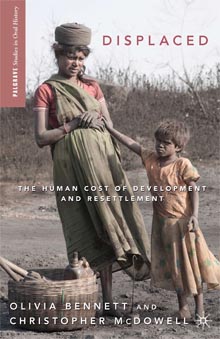
We are delighted to announce that Displaced: The Human Cost of Development and Resettlement – based on oral testimonies recorded as part of a Panos London project – has been awarded the Edgar Graham Book Prize 2013.

This academic prize from the School of African and Asian Studies, University of London, is awarded for a work of original scholarship on development in Asia and Africa.  Authors Olivia Bennett and Christopher McDowell are particularly pleased that the judges commended its “exemplary use of oral testimony”.

The heart of the book draws on over 300 interviews with the displaced, gathered over several years in different countries and development situations as part of an international resettlement project, for which McDowell was the advisor.  The judges agreed that Displaced  was “highly readable” and represented “a notable achievement, which is original, accessible and vivid without compromising intellectual integrity”.

Olivia Bennett founded Panos London’s Oral Testimony Programme, and is a co-director of Oral Testimony Works.  The award is a great acknowledgement of the effort, wisdom and expertise that went into the book and of the importance of listening to the perspectives and experiences of those most affected by development.

For more information on the book please see Panos’ press release from 2012 and Olivia’s blog on the Panos website from the same time.

Copies (including e-books) are available from Palgrave.com and other sites. All royalties to Oral Testimony Works to support further oral testimony projects with marginalised groups around the world.
 Like us on FacebookFollow us on Twitter